
A counsellor takes notes while listening to a person during a session, illustrating skills taught in the PGCert in Trauma Psychology, Online Masters in Trauma Psychology, and Trauma Therapy Courses for the Psychological Trauma (Online Delivery) PGCert.

This course will equip all professionals working in the trauma field with up-to-date knowledge and critical skills. 

An understanding of the needs, and what can be identified as best practice in terms of working with traumatised individuals, can vastly improve a person’s engagement and recovery. The underlying philosophy behind the course is an inclusive holistic view of trauma, focusing on the contributions of neurological, psychological and sociological views of psychological trauma throughout. 

The course allows you to gain a number of transferable skills, whilst encouraging you to explore a number of theoretical concepts, and your application to psychological trauma in the real setting. 

The course is designed to: 

  • Provide an online intellectual setting within which you can develop an understanding of the appropriate response to psychological trauma, and improve your analytical skills 
  • Critically examine current research related to post-traumatic stress, post-traumatic stress disorder and dissociation 
  • Explore the range of therapeutic approaches to working with psychological trauma, and current understanding of the effectiveness of these approaches 
  • Develop skills in managing traumatic incidents and intervening organisations 
  • Examine the models of managing traumatic incidents and the different contexts in which these might apply. 

The Postgraduate Certificate in Psychological Trauma aims to enhance your critical knowledge and skills in understanding how to work with those who have experienced psychological trauma. 


What You'll Study

This programme of study is undertaken on a part-time basis over one year. Delivery takes the form of online interactive sessions, group discussions, experiential exercises, case presentations and simulations. Modules are delivered in blocks.

Core Modules

Students will engage with extensive coverage of the nature of post-traumatic stress and its historical conceptualisations, including psychological, neurobiological, physiological, cultural, political, economic and spiritual perspectives across the lifespan.

The current perspectives and theoretical models of the holistic approach to psychological trauma and its many manifestations including acute stress and post-traumatic stress disorder and co-morbid conditions such as depression. These will be explored in detail as will the role of the brain including memory and neurobiological processes.

Students will explore the range of diverse criteria for trauma related symptoms and their assessment, classification and treatment.

Models of intervention for psychological trauma will be critically examined and the current controversies and debates surrounding ameliorating factors, co-morbid conditions and developmental outcomes will be explored. The impact of trauma on different populations and a consideration of this in relation to specific points in the lifespan.

Students will critically examine current research evidence relating to a range of therapeutic responses to psychological trauma. The National Institute for Health and Clinical Excellence recommendations will form a key reference point for this examination but a wide range of interventions including psychological, physiological and pharmacological will be considered. Responses to co-morbid conditions such as depression will also be critically reviewed. Research relating to grief, bereavement and traumatic bereavement will be considered. Students will review a range of assessment tools and will examine the process of administration and the ethical and procedural aspects of this process. The role of medico-legal proceedings and their implications will be evaluated. Current research on the concept of post-traumatic growth and its facilitation will be critically examined and aspects of therapist self-care considered.

This module will give students a systematic understanding of the nature of traumatic incidents through a variety of methods including case-studies involving natural and human made disasters. In addition, students will learn a variety of models of planning and responding to critical incidents including organisational responses and their impact. Pre and post incident interventions will be considered along with current debates in crisis intervention and critical evaluation of established techniques.

The information listed in this section is an overview of the academic content of the course that will take the form of either core or option modules and should be used as a guide. We review the content of our courses regularly, making changes where necessary to improve your experience and graduate prospects. If during a review process, course content is significantly changed, we will contact you to notify you of these changes if you receive an offer from us.

How You'll Learn

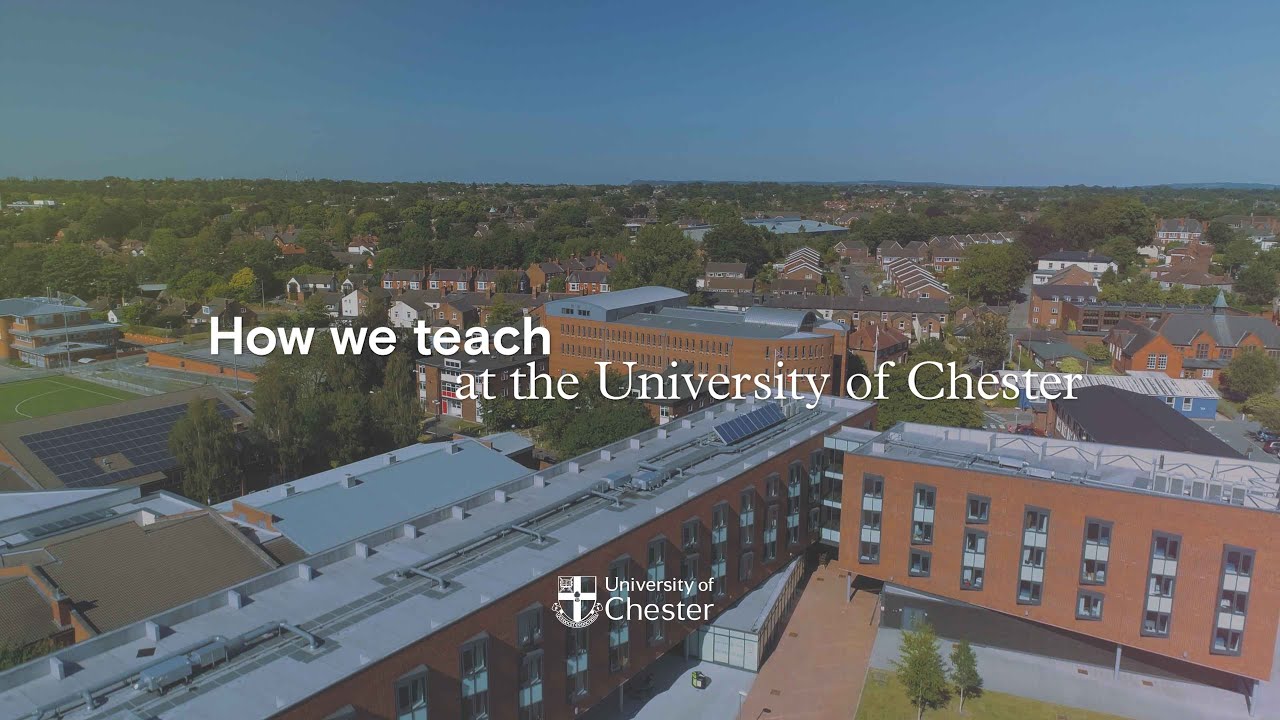
An aerial photograph of Exton Park with the text 'How we teach at the University of Chester'

How we teach at the University of Chester

You’ll benefit from the convenience and flexibility of learning online, experiencing live online (synchronous) teaching and learning, as well as asynchronous and self-directed study. Synchronous online teaching will be from 9am to 6pm (UK time), which will require both a stable internet connection and a private setting. Sessions are not recorded, so attendance to all teaching days is highly recommended. The induction day will introduce you to the University's systems and the different resources (library, Study Skills, etc.), and you’ll meet fellow learners and tutors. There are four days of live teaching per module. You will be provided with resources, links and tasks.  

Assessment tasks will frequently require you to consider how theory and evidence are applicable to real-world examples. These may be scenario-based, reflective, or more discursive. You will have opportunities to engage in formative assessment opportunities which build understanding, knowledge and awareness (but do not contribute to a module mark) in preparation of summative assessment tasks (those which do contribute to the overall module mark). There are two marked assignments per module, which means six overall. Deadlines are 3 weeks (assignment 1) and 8 weeks (assignment 2) after the last day of each module.  

Your Future Career

Job Prospects

As a graduate, you may be suited to work in the area of disaster planning, or in careers where psychological trauma is a major component. This can include roles involved in occupational/professional health and wellbeing, as well as specialist areas of social work and nursing, the emergency services, rescue and support work in disaster areas, and in the military. 

Progression Options

Some of our students have decided to pursue postgraduate studies. Some universities offer the possibility to complete a Master's degree if you have been awarded two Postgraduate Certificates.

If you meet the entry requirements and are interested in research, you can pursue your studies with our Professional Doctorate in Psychological Trauma.

Careers Service

The University has an award-winning Careers and Employability service which provides a variety of employability-enhancing experiences; through the curriculum, through employer contact, tailored group sessions, individual information, advice and guidance.

Careers and Employability aims to deliver a service which is inclusive, impartial, welcoming, informed and tailored to your personal goals and aspirations, to enable you to develop as an individual and contribute to the business and community in which you will live and work.

We are here to help you plan your future, make the most of your time at University and to enhance your employability. We provide access to part-time jobs, extracurricular employability-enhancing workshops and offer practical one-to-one help with career planning, including help with CVs, applications and mock interviews. We also deliver group sessions on career planning within each course and we have a wide range of extensive information covering graduate jobs.

Entry Requirements

Honours Degree

Candidates for the PG Cert in Psychological Trauma will possess a good honours degree (ideally a 2:1) in any discipline or equivalent qualification and relevant experience of working in the field of psychological trauma. Applicants with a lower honours degree may be considered in the light of their professional experience / development.

Other Admission Requirements

Applicants are required to have access to the electronic devices necessary to engage in an online delivery course (computer, broadband, privacy for synchronous learning).

Given the demanding nature of working in the field of psychological trauma, particular reference will be made to applicants' own current and past experiences of traumatic events and how these have been, or are being managed. Applicants will be expected to be able to identify appropriate support mechanisms available to them in relation to the personal impact of their work with psychological trauma.

Prior Work/ Voluntary Experience

Applicants with a lower honours degree may be considered in the light of their professional experience / development. Applicants might include psychologists, psychotherapists, counsellors, doctors, nurses, social workers, members of the emergency services, the armed forces, aid workers the military and disaster response team members.

Interview

Application process includes an interview with the programme leader.

Honours Degree

Candidates for the PG Cert in Psychological Trauma will possess a good honours degree (ideally a 2:1) in any discipline or equivalent qualification and relevant experience of working in the field of psychological trauma. Applicants with a lower honours degree may be considered in the light of their professional experience / development.

Other Admission Requirements

Applicants are required to have access to the electronic devices necessary to engage in an online delivery course (computer, broadband, privacy for synchronous learning).

Given the demanding nature of working in the field of psychological trauma, particular reference will be made to applicants' own current and past experiences of traumatic events and how these have been, or are being managed. Applicants will be expected to be able to identify appropriate support mechanisms available to them in relation to the personal impact of their work with psychological trauma.

Prior Work/ Voluntary Experience

Applicants with a lower honours degree may be considered in the light of their professional experience / development. Applicants might include psychologists, psychotherapists, counsellors, doctors, nurses, social workers, members of the emergency services, the armed forces, aid workers the military and disaster response team members.

Interview

Application process includes an interview with the programme leader.

Fees and Funding

£3,030 per year (2026/27)

£15,500 (2026/27)

The tuition fees for international students studying programmes in 2026/27 are £15,500 per year.

Your course will involve additional costs not covered by your tuition fees. This may include books, printing, photocopying, educational stationery and related materials, specialist clothing, travel to placements, optional field trips and software. Compulsory field trips are covered by your tuition fees. 

The University of Chester supports fair access for students who may need additional support through a range of bursaries and scholarships. 

Full details, as well as terms and conditions for all bursaries and scholarships can be found on the Fees and Finance section of our website.

Who You’ll Learn From

Dr Marie Chollier

Senior Lecturer
Blank profile picture placeholder

Dr Tracey Clare

Senior Lecturer
Blank profile picture placeholder

Enquire about a course